How We Work
A production-led approach to AI image and film
Every project starts with the brief, the visual direction and the final deliverables.
From there, the production route is defined around what is actually required — fully generated imagery, hybrid production using photography and AI, or AI used as part of a wider post-production workflow.
The process follows many of the same principles as traditional commercial production: development, pre-production, image-making, refinement, post-production, review and delivery.
The technology may be different. The need for clear creative direction, control and good production judgement remains the same.
Establishing the visual direction
The brief, creative direction and references are reviewed to establish the visual language of the project.
This can include casting, wardrobe, location, lighting, camera position, lens character, movement, composition, colour and overall tone.
Existing campaign assets, brand guidelines, product photography, original photography or client-supplied imagery can also form part of the development process where appropriate.
The objective is to understand the visual world before production begins.
Visual Development
Building the campaign world
Initial images are developed to establish the key visual decisions for the project.
This is where we define elements such as the model, product, environment, styling, lighting, photographic treatment and overall image language.
Rather than treating every image as a separate generation, the aim is to establish a coherent visual system that can then be carried across the wider campaign.
Once the direction is approved, it becomes the framework for production.
Production
Creating the required assets
The approved visual direction is developed into the required campaign imagery or moving-image work.
Depending on the project, this can include:
Fully AI-generated image and film
Photographed talent or products within AI-generated environments
Background and location creation
Campaign extensions and additional frames
Image sequences developed for motion
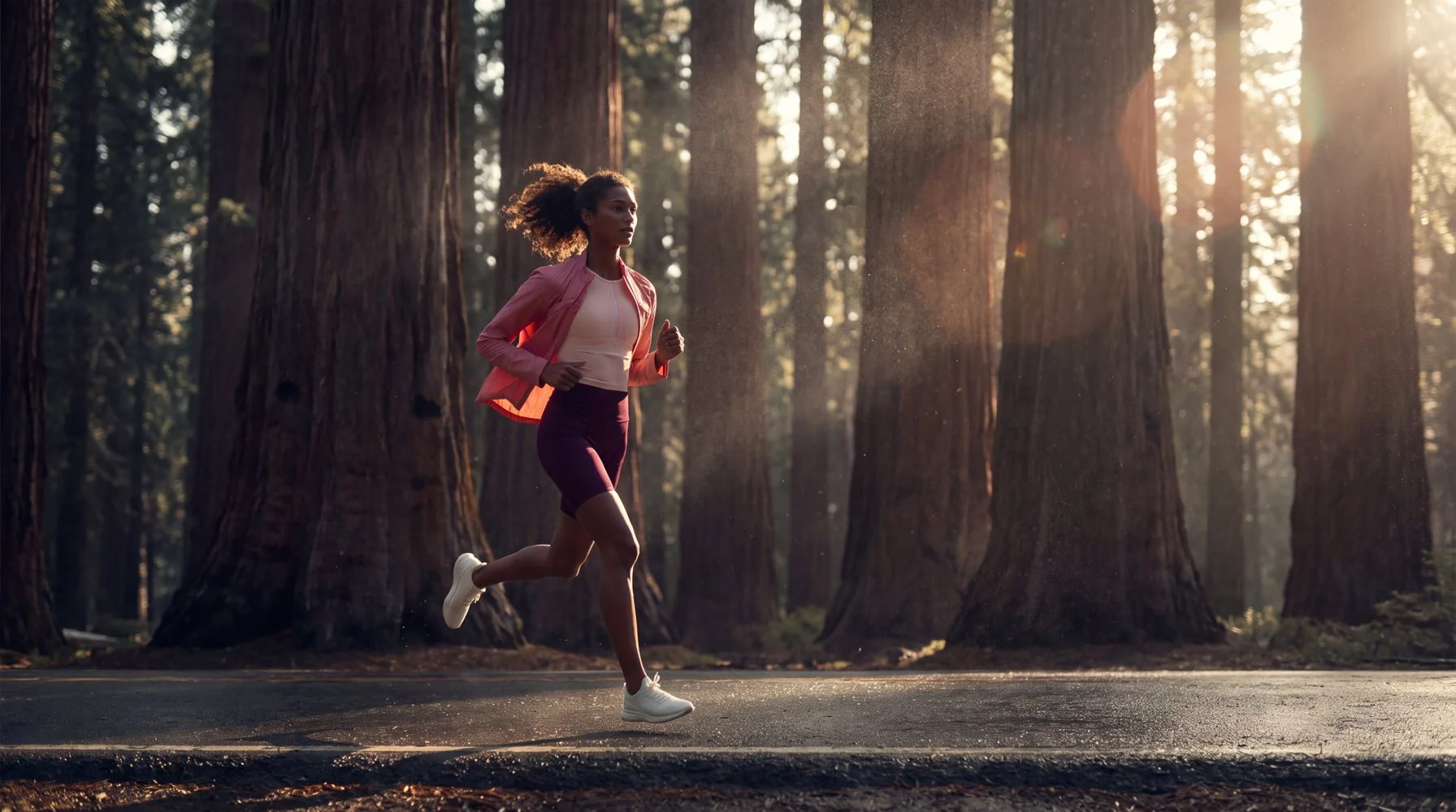
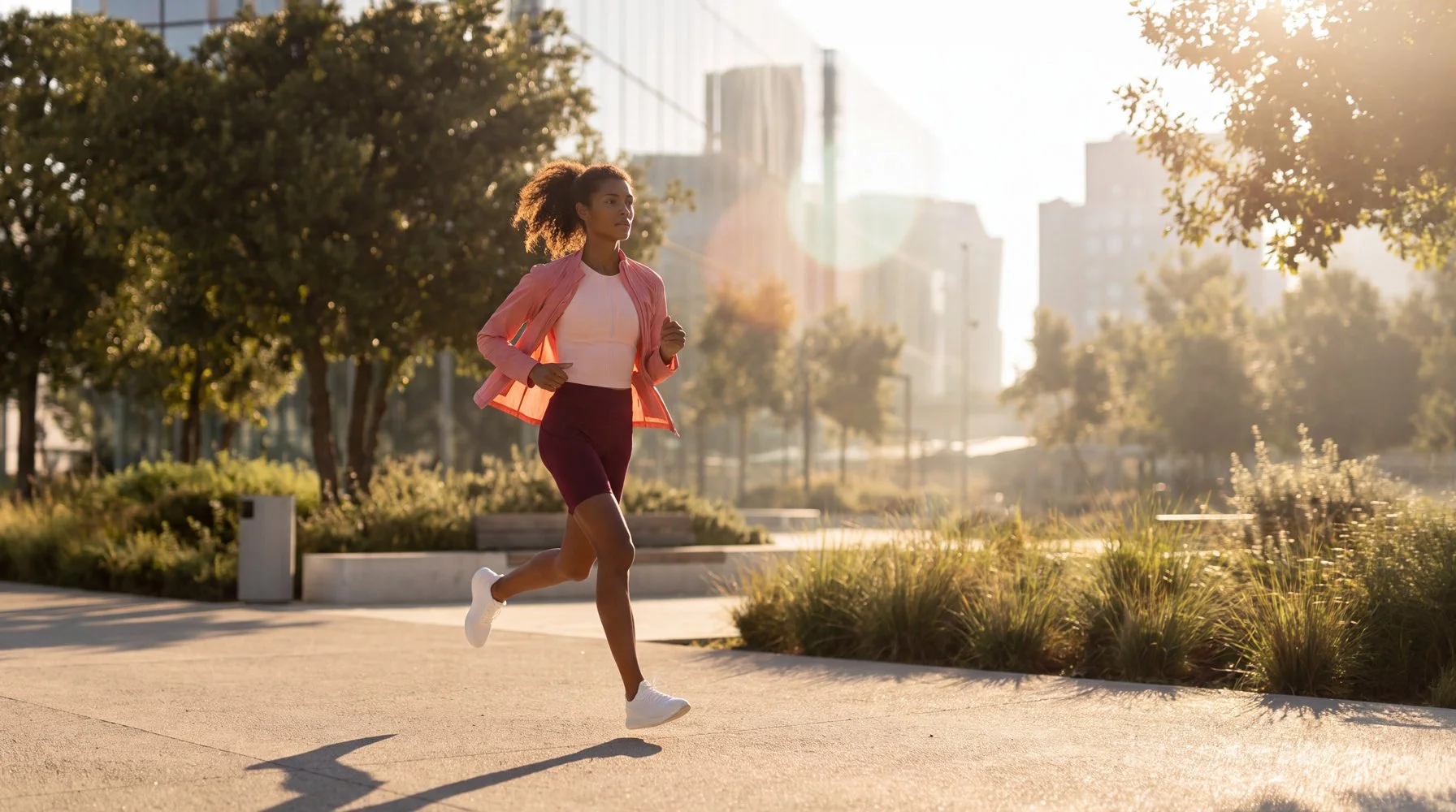
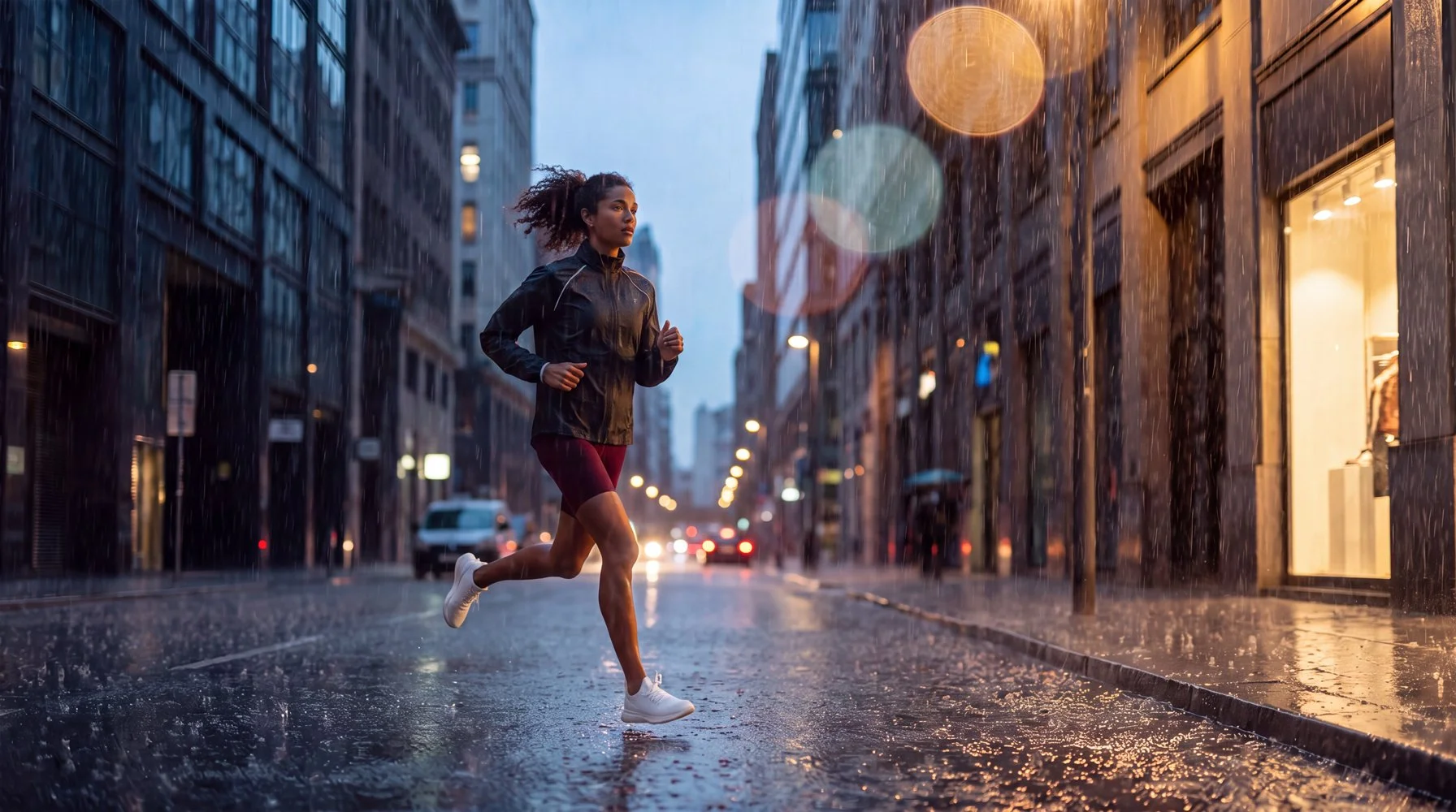
Alternative locations, weather or time-of-day variations
Format and composition variations
Existing photography developed further through AI
The production method is chosen around the requirements of the project rather than around a particular piece of software.
Refinement + Post
Generation is part of the process, not necessarily the finished image
Selected imagery can move through further refinement and traditional post-production in much the same way as photography.
This can include compositing, retouching, detail work, colour grading, image cleanup, high-resolution upscaling and final format preparation.
Where appropriate, retouchers, editors, animators, colourists and other specialist collaborators can remain part of the production workflow.
The focus is always on the quality of the finished asset rather than simply the generation itself.
Transparency + Production Record
A traceable process behind the finished work
We believe AI production should be transparent.
For each project, we can retain a clear record of the material used during development, including relevant source and reference imagery, prompts, key stages of the process and final outputs.
Finished imagery can also be reviewed using reverse-image and visual-similarity searches where appropriate.
This creates a transparent production record showing how the work was developed, what material informed it and what checks were carried out before delivery.
Where client-supplied or third-party material is used, available permissions and provenance information can also be recorded as part of the project.
The aim is to give agencies and clients greater visibility and traceability around the production process, while documenting the steps taken to reduce the risk of unintended third-party likeness or intellectual-property issues.
Source → Prompt → Create → Refine → Check → Deliver
Source material recorded.
Prompts retained.
Key development stages documented.
Final imagery reviewed where appropriate.
A transparent evidence layer behind the finished work.
Delivery
Prepared for the intended use
Final assets are prepared around the agreed deliverables and media requirements.
This can include master campaign imagery, high-resolution files, alternate crops, social formats, digital assets, print-ready imagery, moving-image files and additional campaign variations.
The objective is to deliver a coherent body of finished work rather than a collection of individual generations.
Production Routes
Created through a directed AI workflow
Image and moving-image work developed from visual development through to final production using AI as the primary production method.
Hybrid Production
Photography + AI
Real talent, products or environments can be photographed and combined with AI-generated locations, backgrounds, additional frames or campaign extensions.
This allows the control and authenticity of photography to sit alongside the flexibility of AI production.
AI + Post
Extending existing assets
Existing photography or campaign material can be developed further through AI, compositing, retouching, grading, background replacement, location extension, format adaptation and moving-image development.
AI becomes part of the wider post-production process rather than replacing it.